Today
20
in History
26
January
February
March
April
May
June
July
August
September
October
November
December
01
Sun
02
Mon
03
Tue
04
Wed
05
Thu
06
Fri
07
Sat
08
Sun
09
Mon
10
Tue
11
Wed
12
Thu
13
Fri
14
Sat
15
Sun
16
Mon
17
Tue
18
Wed
19
Thu
20
Fri
21
Sat
22
Sun
23
Mon
24
Tue
25
Wed
26
Thu
27
Fri
28
Sat
29
Sun
30
Mon
...
11-29-1952
President Eisenhower goes to Korea
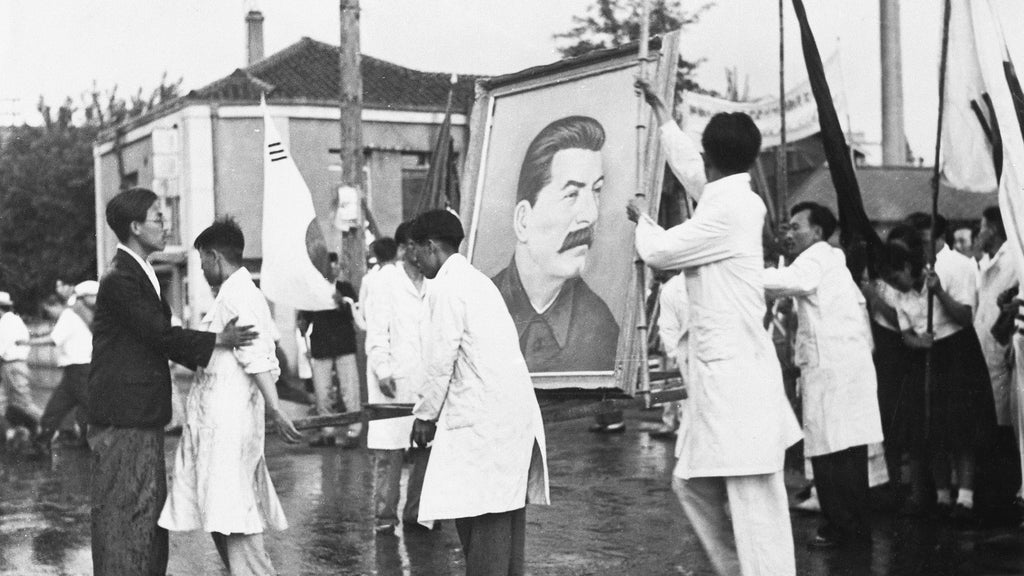
Making good on his most dramatic presidential campaign promise, newly elected Dwight D. Eisenhower goes to Korea to see whether he can find the key to ending the bitter and frustrating Korean War.
During the presidential campaign of 1952, Republican candidate Eisenhower was critical of the Truman administration’s foreign policy, particularly its inability to bring an end to the conflict in Korea. President Truman challenged Eisenhower on October 24 to come up with an alternate policy. Eisenhower responded with the startling announcement that if he were elected, he would personally go to Korea to get a firsthand view of the situation. The promise boosted Eisenhower’s popularity and he handily defeated Democratic candidate Adlai E. Stevenson.
Shortly after his election, Eisenhower fulfilled his campaign pledge, though he was not very specific about exactly what he hoped to accomplish. After a short stay he returned to the United States, yet remained mum about his plans concerning the Korean War. After taking office, however, Eisenhower adopted a get-tough policy toward the communists in Korea. He suggested that he would “unleash” the Nationalist Chinese forces on Taiwan against communist China, and he sent only slightly veiled messages that he would use any force necessary (including the use of nuclear weapons) to bring the war to an end unless peace negotiations began to move forward. The Chinese, exhausted by more than two years of war, finally agreed to terms and an armistice was signed on July 27, 1953.
Almost 40,000 Americans died in action and more than 100,000 were wounded in this “forgotten war,” and the U.S. spent nearly $70 billion. The most frustrating war in U.S. history had come to an end. America’s first experience with a “limited war,” one in which the nation did not seek (and did not obtain) absolute victory over the enemy, did not bode well for the future. Conflict in Vietnam was just around the corner.
More news today
loading...