Today
20
in History
26
January
February
March
April
May
June
July
August
September
October
November
December
01
Sun
02
Mon
03
Tue
04
Wed
05
Thu
06
Fri
07
Sat
08
Sun
09
Mon
10
Tue
11
Wed
12
Thu
13
Fri
14
Sat
15
Sun
16
Mon
17
Tue
18
Wed
19
Thu
20
Fri
21
Sat
22
Sun
23
Mon
24
Tue
25
Wed
26
Thu
27
Fri
28
Sat
29
Sun
30
Mon
...
11-09-1990
Willie Nelson’s assets are seized by the IRS
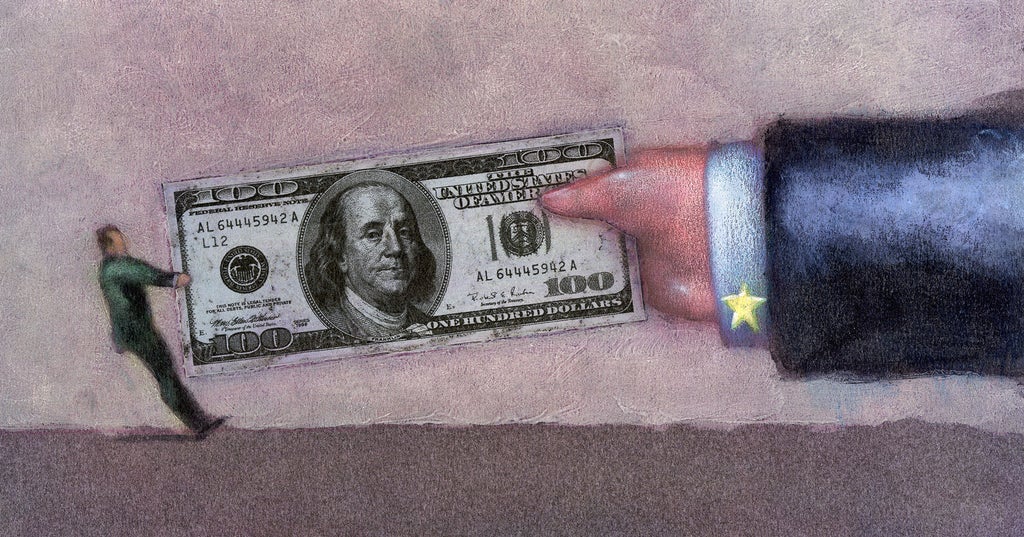
On November 9, 1990, the federal government seizes all of the assets of country singer Willie Nelson—freezing his bank accounts and padlocking his real estate holdings. The beloved entertainer had been struggling to repay a $16.7 million dollar tax debt.
Willie Nelson landed himself in tax trouble as a result of investments he made in the early 1980s in a tax shelter later ruled illegal by the IRS. With interest and penalties on top of his original unpaid taxes, Nelson was facing a tax bill in excess of $16 million, and though his lawyers convinced the IRS to accept a $6 million cash payment to settle the entire debt, even this was more than Nelson was able to pay, despite being perhaps the most bankable country-music star of the day.
“He didn’t have $1 million—he probably didn’t have $30,000,” his daughter, Lana Nelson, told Texas Monthly magazine of her famously generous and free-spending father. In anticipation of negotiations with the IRS breaking down, Willie Nelson had his daughter remove his beloved guitar, Trigger, from his Texas home and ship it to him in Hawaii, where he was golfing when the feds raided his home on November 9, 1990. “As long as I got my guitar,” Willie Nelson said, “I’ll be fine.”
“We try to work with taxpayers,” Internal Revenue Service spokeswoman Valerie Thornton told The New York Times in the autumn of 1991, “[a]nd if we have to come up with some creative payment plan, that’s what we’re going to do, because it’s in everyone’s best interest.” The creative payment plan to which Ms. Thornton was referring in her statement to the Times involved a unique revenue-sharing agreement negotiated between the IRS and the beloved singer.
Ultimately, Nelson did get to keep his guitar and even got his Texas ranch back, but not before the government auctioned his home to the highest bidder in January 1991. That bidder, however, was a Nelson fan who purchased the ranch at the behest of a group of farmers who threw their support behind Nelson in thanks for his work in organizing the Farm Aid charitable concerts.
In June 1991, Nelson released a compilation album entitled The IRS Tapes: Who’ll Buy My Memories?, the first and perhaps last major-label record album ever released under a strict revenue-sharing agreement with the Internal Revenue Service. While the revenues generated by The IRS Tapes did not come close to settling the debt on its own, Nelson did manage to retire his debt to the federal government by 1993.
More news today
loading...