Today
20
in History
26
January
February
March
April
May
June
July
August
September
October
November
December
01
Sun
02
Mon
03
Tue
04
Wed
05
Thu
06
Fri
07
Sat
08
Sun
09
Mon
10
Tue
11
Wed
12
Thu
13
Fri
14
Sat
15
Sun
16
Mon
17
Tue
18
Wed
19
Thu
20
Fri
21
Sat
22
Sun
23
Mon
24
Tue
25
Wed
26
Thu
27
Fri
28
Sat
29
Sun
30
Mon
...
11-05-1968
Richard Nixon elected president
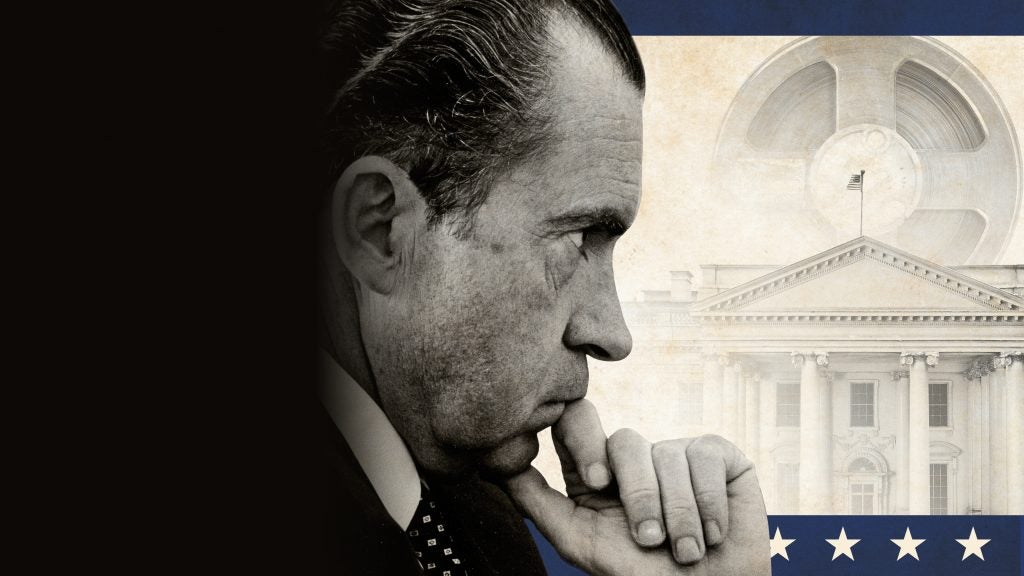
Winning one of the closest elections in U.S. history, Republican challenger Richard Nixon defeats Vice President Hubert Humphrey. Because of the strong showing of third-party candidate George Wallace, neither Nixon nor Humphrey received more than 50 percent of the popular vote; Nixon beat Humphrey by less than 500,000 votes.
Nixon campaigned on a platform designed to reach the “silent majority” of middle class and working class Americans. He promised to “bring us together again,” and many Americans, weary after years of antiwar and civil rights protests, were happy to hear of peace returning to their streets. Foreign policy was also a major factor in the election. Humphrey was saddled with a Democratic foreign policy that led to what appeared to be absolute futility and agony in Vietnam.
Nixon promised to find a way to “peace with honor” in Vietnam, though he was never entirely clear about how this was to be accomplished. The American people, desperate to find a way out of the Vietnam quagmire, were apparently ready to give the Republican an opportunity to make good on his claim.
During his presidency, Nixon oversaw some dramatic changes in U.S. Cold War foreign policy, most notably his policy of detente with the Soviet Union and his 1972 visit to communist China. His promise to bring peace with honor in Vietnam, however, was more difficult to accomplish. American troops were not withdrawn until 1973, and South Vietnam fell to communist forces in 1975. Nixon’s presidency was eventually marred by the Watergate scandal.
The triumphs of Richard Nixon’s presidency were overshadowed by a scandal that forced his resignation. Learn more about the driven but flawed 37th president from those who worked closest to him.
More news today
loading...