Today
20
in History
26
January
February
March
April
May
June
July
August
September
October
November
December
01
Thu
02
Fri
03
Sat
04
Sun
05
Mon
06
Tue
07
Wed
08
Thu
09
Fri
10
Sat
11
Sun
12
Mon
13
Tue
14
Wed
15
Thu
16
Fri
17
Sat
18
Sun
19
Mon
20
Tue
21
Wed
22
Thu
23
Fri
24
Sat
25
Sun
26
Mon
27
Tue
28
Wed
29
Thu
30
Fri
31
Sat
...
10-13-2021
William Shatner goes to space
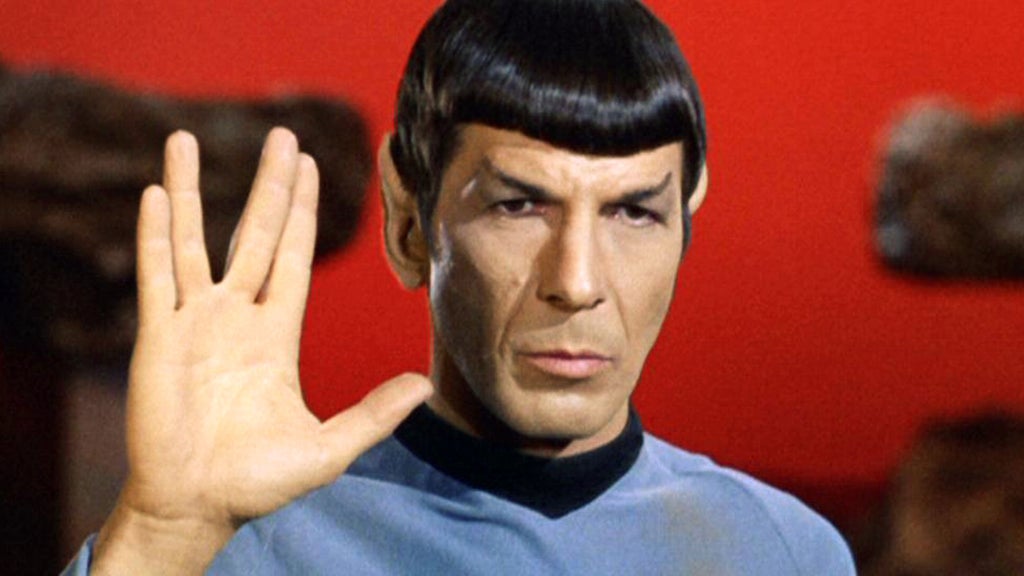
On October 13, 2021, Canadian actor William Shatner—best known for his iconic “Star Trek” role as Captain Kirk—boards Jeff Bezos’s Blue Origin space shuttle with three other people, and becomes the oldest living person to travel into space at age 90. News stations broadcast the historic launch.
As exciting as exploring space may seem, despite the dangers, Shatner returned from his adventure with a surprise emotion: grief. He said the journey into space filled him with “overwhelming sadness.”
In his memoir Boldly Go: Reflections on a Life of Awe and Wonder, Shatner says that he felt anxious when the space-flight day arrived, despite numerous preparatory simulations and training courses that he took with his fellow voyagers: Glen de Vries, a tech mogul; Audrey Powers, Blue Origin’s vice president; and Chris Boshuizen, a former NASA engineer.
Shatner said he kept thinking about the Hindenburg disaster, when an airship crashed on May 6, 1937 in New Jersey. Yet he was committed to the flight, so he pushed himself to do it, despite doubts about whether his nonagenarian’s body could handle it. The g-pressure increased to painful levels right after takeoff. Then, the shuttle reached the point beyond gravity where the crew was weightless, and while his fellow travelers were enjoying floating around the vessel, Shatner just wanted to get to a window and look at what was outside.
“I love the mystery of the universe,” Shatner wrote in his book. “I love all the questions that have come to us over thousands of years of exploration and hypotheses. Stars exploding years ago, their light traveling to us years later; black holes absorbing energy; satellites showing us entire galaxies in areas thought to be devoid of matter entirely … all of that has thrilled me for years.”
Then, after a few moments of looking out the window, Shatner felt sadness about the destruction of the Earth because of mankind’s interference.
“But when I looked in the opposite direction, into space, there was no mystery, no majestic awe to behold … all I saw was death,” Shatner wrote. “I saw a cold, dark, black emptiness.”
The surprise grief Shatner felt, he wrote, is not uncommon among astronauts, including Sally Ride. It’s called the “Overview Effect,” which is what happens when a space traveler views the Earth from orbit and feels the overwhelming awareness of our planet’s fragility. Author Frank White is credited with coining the term in 1987 when he wrote in his book The Overview Effect: Space Exploration and Human Evolution: “There are no borders or boundaries on our planet except those that we create in our minds or through human behaviors. All the ideas and concepts that divide us when we are on the surface begin to fade from orbit and the moon. The result is a shift in worldview, and in identity.”
More news today
loading...