Today
20
in History
26
January
February
March
April
May
June
July
August
September
October
November
December
01
Sat
02
Sun
03
Mon
04
Tue
05
Wed
06
Thu
07
Fri
08
Sat
09
Sun
10
Mon
11
Tue
12
Wed
13
Thu
14
Fri
15
Sat
16
Sun
17
Mon
18
Tue
19
Wed
20
Thu
21
Fri
22
Sat
23
Sun
24
Mon
25
Tue
26
Wed
27
Thu
28
Fri
29
Sat
30
Sun
31
Mon
...
08-10-2003
Temperatures in U.K. top 100 F for first time during European heat wave
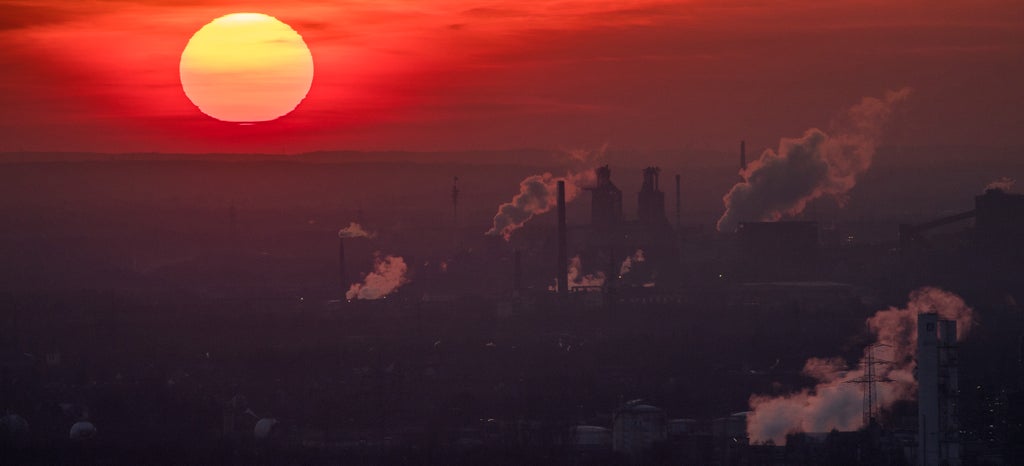
On August 10, 2003, the United Kingdom records its first-ever temperature over 100 degrees Fahrenheit. Throughout the month, an intense heat wave scorched the European continent, claiming more than 35,000 lives.
August 2003 was the hottest August ever recorded in the northern hemisphere and broke all previous records for heat-related deaths. France was the worst hit, with almost 15,000 victims, followed by Germany, where approximately 7,000 people died. Thousands also died in Spain and Italy. A majority of the victims were elderly, very young, or chronically ill.
When a person experiences extreme heat, their bodies can struggle to cool themselves—which can prove especially dangerous in the very old, very young or already ill. If a person’s internal body temperature reaches 104 degrees Fahrenheit, the organs can began to fail and the person can eventually die. The Washington, D.C.-based Earth Policy Institute estimates that more people die every year from heat than floods, tornadoes and hurricanes combined.
In addition to directly causing deaths, the extreme heat also caused massive fires. In Portugal, 10 percent of the country’s forests were destroyed and 18 people were killed in the fires. The heat also caused glacial melt, flash floods and avalanches in Switzerland.
In July of 2022, temperatures in England topped 104 degrees Fahrenheit, shattering all previously held records in the U.K.
Worldwide, July of 2023 was the hottest month ever recorded. Scientists project that, because of global warming, the earth’s average temperature will continue to rise, reaching 42.44 degrees Fahrenheit by the end of the century, a gain of 2.5 degrees. The only way to stop the rise in global temperatures and extreme weather catastrophes is to reduce levels of the carbon-dioxide emissions that contribute to global warming.
More news today
loading...